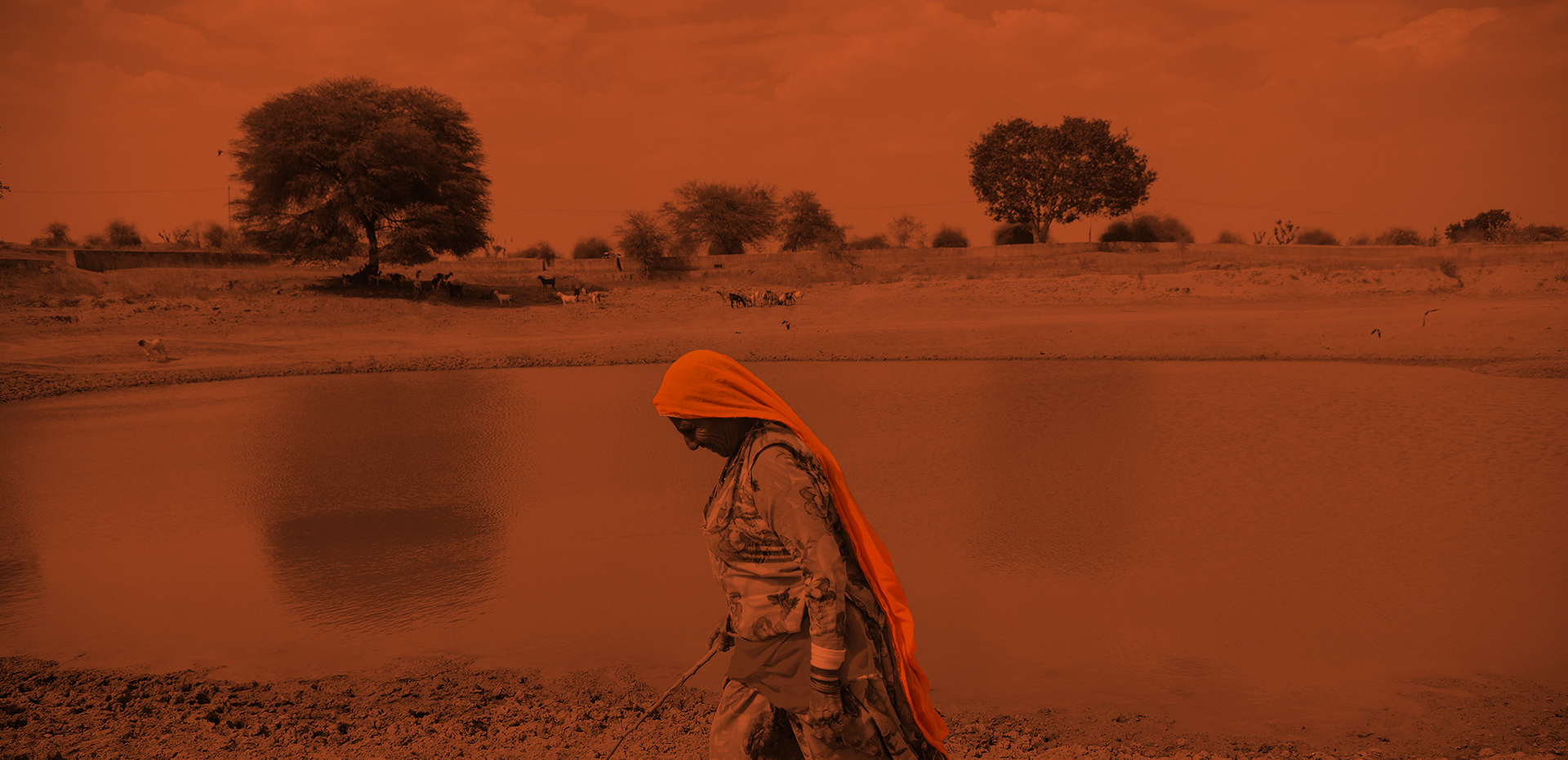
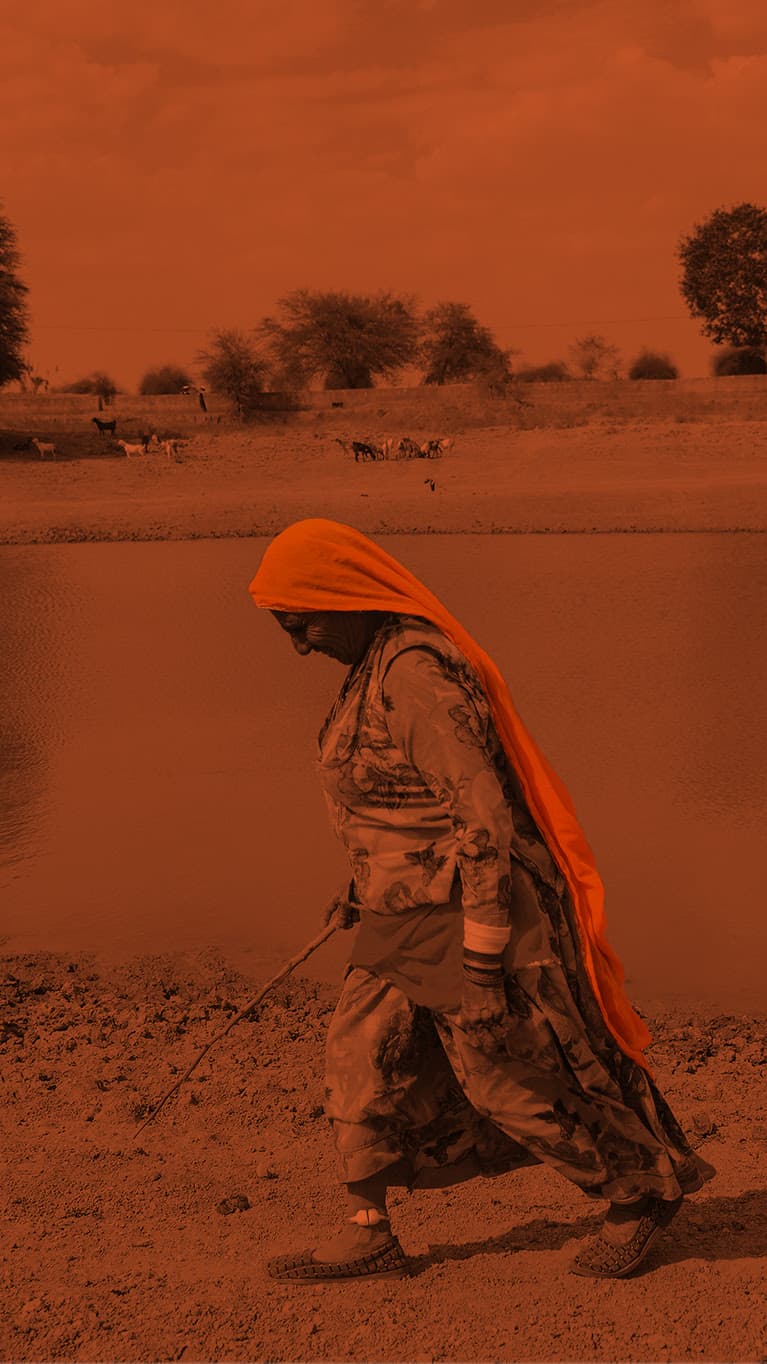
Poverty in rural india is rife
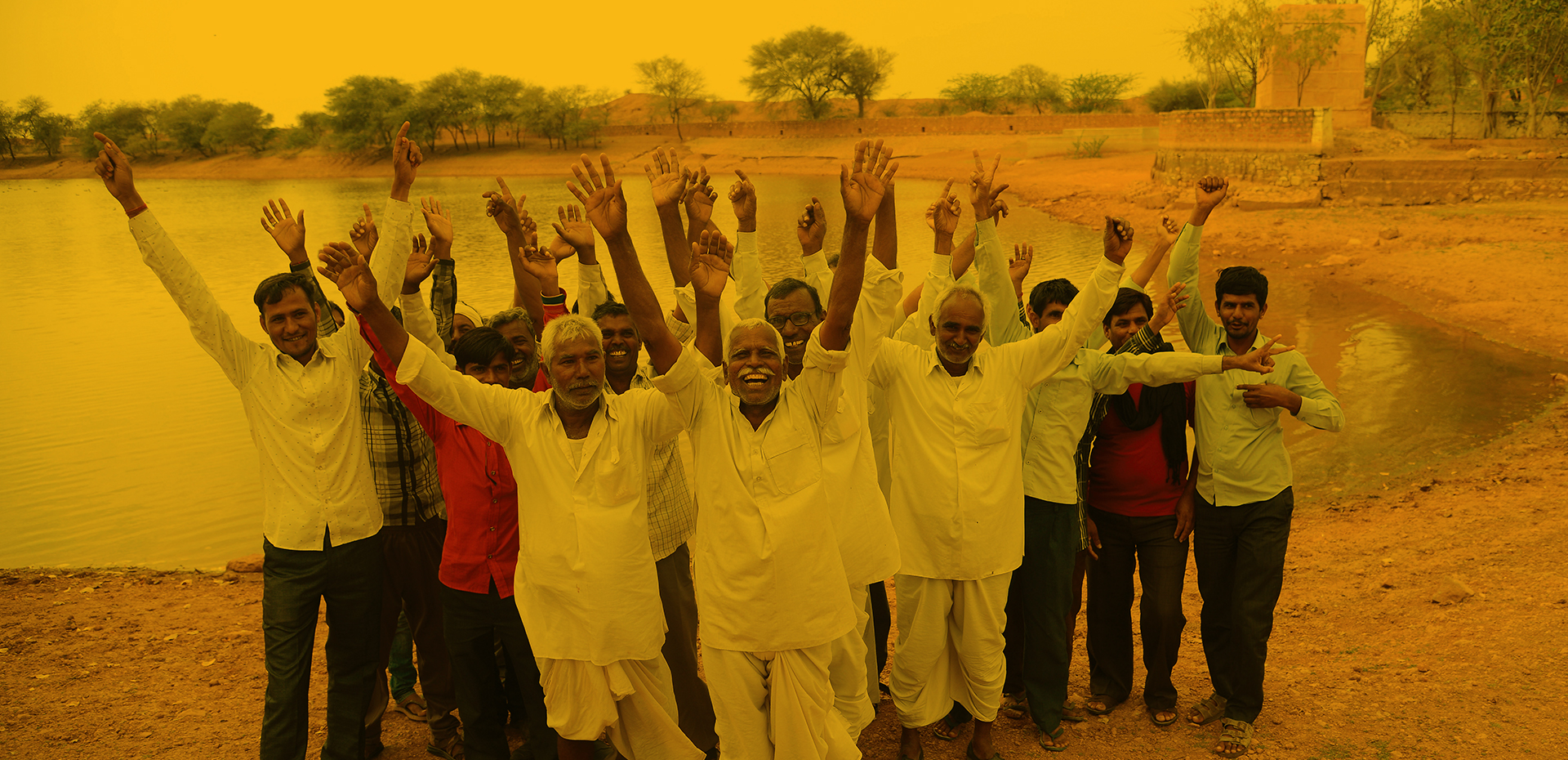
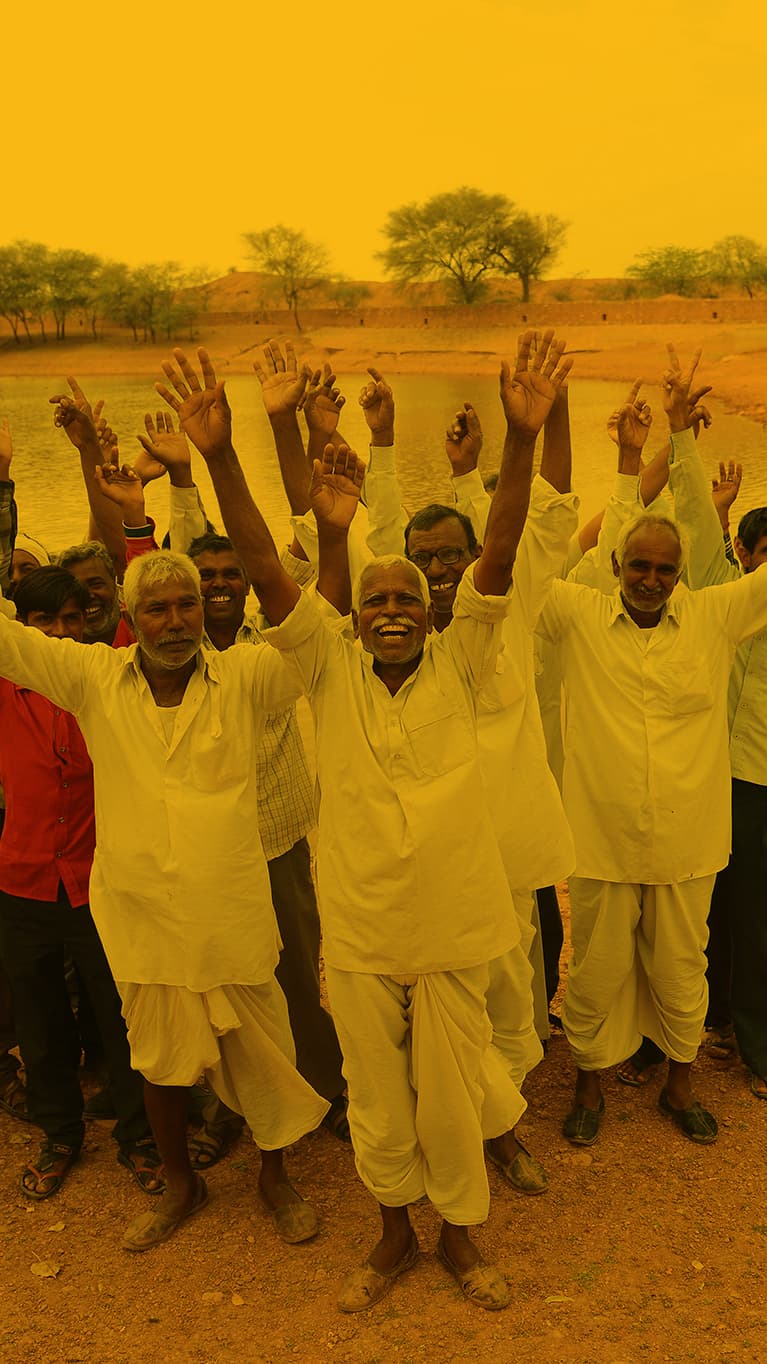
A strong livelihood can quickly catapult a family from a life of poverty to prosperity. Ambuja Foundation supports rural families from every angle, to give them the best possible chance of prosperity – ensuring that poor health, outdated farming skills or limited access to water don’t get in the way of a family earning a livelihood.
Our Approach
We take a 360-degree approach – because it takes more than one intervention to lift a family out of poverty and into prosperity.
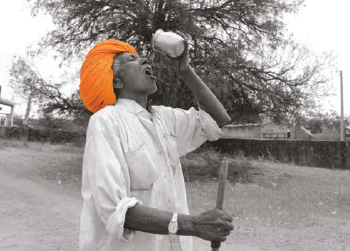


We create drought-resilient rural villages and ensure all-year-round water for farmers, families and communities.
We provide rural youth with training and employment opportunities that help lift them and their families out of poverty.
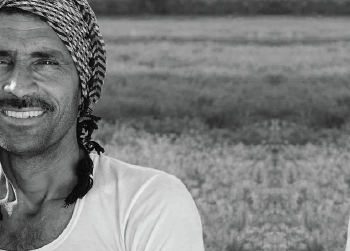
We help farming families prosper, by nurturing farmers and organizing them into groups to enhance their profitability.
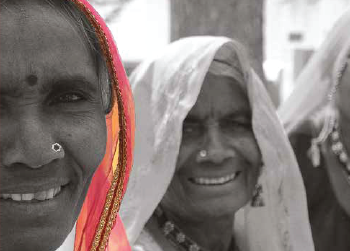
We harness the power of women to be change makers, generating income and leading communities.
We build healthy communities to enable people to lead more productive lives.
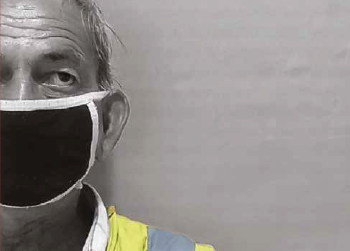
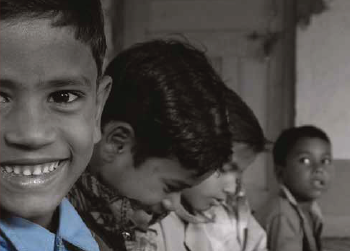
We ensure rural children get good quality education and differently-abled children to reach their potential.
Ambuja Foundation works in 9 districts – many grappling with water availability when work began. With high investment and low returns, farmers working in agriculture, horticulture, goatery, poultry and other traditional work were seeking other livelihood opportunities.

* Disclaimer: Map of India should not be used for navigation or legal purposes. It is intended as graphical element to the design layout and does not warrant the Map or its features to be either spatially or temporally accurate or fit for a particular use. Ambuja Foundation do not claim the correctness or authenticity of the same.

Ambuja Foundation is working in Shahdara, Delhi, bridging Delhi’s skill gap with hands-on training and real job placements for underprivileged youth.

* Disclaimer: Map of India should not be used for navigation or legal purposes. It is intended as graphical element to the design layout and does not warrant the Map or its features to be either spatially or temporally accurate or fit for a particular use. Ambuja Foundation do not claim the correctness or authenticity of the same.
Ambuja Foundation works across 8 districts of Gujarat. This is where it all began back in 1993, when Ambuja Foundation launched its first water programs in Kodinar. Today this work has evolved and grown to now reach far and wide across the regions that we touch.

* Disclaimer: Map of India should not be used for navigation or legal purposes. It is intended as graphical element to the design layout and does not warrant the Map or its features to be either spatially or temporally accurate or fit for a particular use. Ambuja Foundation do not claim the correctness or authenticity of the same.
Ambuja Foundation works in 2 districts of Haryana – Charki Dadri and Gurgaon, where challenges like water shortage, quality education, healthcare and unskilled youth are prevalent. Working with partners, solutions are being offered to reduce these gaps.

* Disclaimer: Map of India should not be used for navigation or legal purposes. It is intended as graphical element to the design layout and does not warrant the Map or its features to be either spatially or temporally accurate or fit for a particular use. Ambuja Foundation do not claim the correctness or authenticity of the same.
With a presence across 5 districts, Ambuja Foundation faces many challenges in tackling the issues presented by this mountainous terrain, which also hinders farmers and communities alike.

* Disclaimer: Map of India should not be used for navigation or legal purposes. It is intended as graphical element to the design layout and does not warrant the Map or its features to be either spatially or temporally accurate or fit for a particular use. Ambuja Foundation do not claim the correctness or authenticity of the same.
Working in 4 districts across 1141 villages, Ambuja Foundation has primarily focused on agriculture, water, health, women and education programs in this predominantly tribal area. Ambuja Foundation launched its Sakhi initiative in this state and also has one ITI apart from a Skill and Entrepreneurship Development Institute (SEDI).

* Disclaimer: Map of India should not be used for navigation or legal purposes. It is intended as graphical element to the design layout and does not warrant the Map or its features to be either spatially or temporally accurate or fit for a particular use. Ambuja Foundation do not claim the correctness or authenticity of the same.
Renown for its agriculture, Ambuja Foundation works across 8 districts of Punjab, reaching out to thousands of farmers and their families. This is the home of one of our flagship education initiative also, Ambuja Manovikas Kendra – a program that will touch your heart!

* Disclaimer: Map of India should not be used for navigation or legal purposes. It is intended as graphical element to the design layout and does not warrant the Map or its features to be either spatially or temporally accurate or fit for a particular use. Ambuja Foundation do not claim the correctness or authenticity of the same.
Ambuja Foundation has done significant work in 19 districts of Rajasthan - providing access to water in this drought-prone state, which suffers frequent drought and famine. The state has maximum vulnerability and lowest adaptive capacity to climate-change making local livelihoods highly vulnerable.

* Disclaimer: Map of India should not be used for navigation or legal purposes. It is intended as graphical element to the design layout and does not warrant the Map or its features to be either spatially or temporally accurate or fit for a particular use. Ambuja Foundation do not claim the correctness or authenticity of the same.
Across the 3 districts of Ambuja Foundation work, land is fragmented and knowledge on package of practices in agriculture was poor. Aquaculture and paddy cultivation were the main sources of livelihood. This is also a hub for truckers, and HIV/AIDS is another pressing problem.

* Disclaimer: Map of India should not be used for navigation or legal purposes. It is intended as graphical element to the design layout and does not warrant the Map or its features to be either spatially or temporally accurate or fit for a particular use. Ambuja Foundation do not claim the correctness or authenticity of the same.
Extremely conservative outlooks, a lack of awareness and lack of education makes this a challenging location to deal with. Ambuja Foundation is working across 7 districts here, primarily focusing of women, children and youth development.

* Disclaimer: Map of India should not be used for navigation or legal purposes. It is intended as graphical element to the design layout and does not warrant the Map or its features to be either spatially or temporally accurate or fit for a particular use. Ambuja Foundation do not claim the correctness or authenticity of the same.
In this state Ambuja Foundation is working in Haridwar - Bhagwanpur, where agriculture is the main occupation. However, with industrialisation, the land was getting fragmented, drugs were spreading and locals needed alternate sources of livelihoods. Contaminated groundwater also meant a variety of health issues.

* Disclaimer: Map of India should not be used for navigation or legal purposes. It is intended as graphical element to the design layout and does not warrant the Map or its features to be either spatially or temporally accurate or fit for a particular use. Ambuja Foundation do not claim the correctness or authenticity of the same.
Ambuja Foundation works in 2 districts of Telangana – Sangareddy and Medak, with a focus on groundwater recharge and soil health. Water distribution systems and micro-irrigation are being widely promoted for the judicious use of water.

* Disclaimer: Map of India should not be used for navigation or legal purposes. It is intended as graphical element to the design layout and does not warrant the Map or its features to be either spatially or temporally accurate or fit for a particular use. Ambuja Foundation do not claim the correctness or authenticity of the same.
Ambuja Foundation works across 3 districts of Andhra Pradesh where water problems like salinity, contamination and water borne disease are rife, resulting in health and livelihood issues. Villages lack proper sanitation and drainage system and overall sanitary conditions are poor in their communities.

* Disclaimer: Map of India should not be used for navigation or legal purposes. It is intended as graphical element to the design layout and does not warrant the Map or its features to be either spatially or temporally accurate or fit for a particular use. Ambuja Foundation do not claim the correctness or authenticity of the same.
Chhindwara is the location where Ambuja Foundation is working in MP, impacting 250 villages. This is a tribal belt and people mainly relying on rainfed agriculture. Youth needs exposure to exploit alternate sources of livelihoods.

* Disclaimer: Map of India should not be used for navigation or legal purposes. It is intended as graphical element to the design layout and does not warrant the Map or its features to be either spatially or temporally accurate or fit for a particular use. Ambuja Foundation do not claim the correctness or authenticity of the same.
Across six villages in Chandigarh, Ambuja Foundation is helping communities take charge of their health by spreading awareness about breast and cervical cancer and promoting timely health check ups.

* Disclaimer: Map of India should not be used for navigation or legal purposes. It is intended as graphical element to the design layout and does not warrant the Map or its features to be either spatially or temporally accurate or fit for a particular use. Ambuja Foundation do not claim the correctness or authenticity of the same.
From 2021 to 2023, Ambuja Foundation worked in Barh in Patna district and Warsaliganj in Nawada district to enhance rural livelihoods through income generation activities and vegetable cultivation. The Foundation also supported rural infrastructure development, including drinking water systems, improving household incomes, food security, and access to safe drinking water for local communities.

* Disclaimer: Map of India should not be used for navigation or legal purposes. It is intended as graphical element to the design layout and does not warrant the Map or its features to be either spatially or temporally accurate or fit for a particular use. Ambuja Foundation do not claim the correctness or authenticity of the same.
* Disclaimer: Map of India should not be used for navigation or legal purposes. It is intended as graphical element to the design layout and does not warrant the Map or its features to be either spatially or temporally accurate or fit for a particular use. Ambuja Foundation do not claim the correctness or authenticity of the same.
* Disclaimer: Map of India should not be used for navigation or legal purposes. It is intended as graphical element to the design layout and does not warrant the Map or its features to be either spatially or temporally accurate or fit for a particular use. Ambuja Foundation do not claim the correctness or authenticity of the same.
* Disclaimer: Map of India should not be used for navigation or legal purposes. It is intended as graphical element to the design layout and does not warrant the Map or its features to be either spatially or temporally accurate or fit for a particular use. Ambuja Foundation do not claim the correctness or authenticity of the same.
* Disclaimer: Map of India should not be used for navigation or legal purposes. It is intended as graphical element to the design layout and does not warrant the Map or its features to be either spatially or temporally accurate or fit for a particular use. Ambuja Foundation do not claim the correctness or authenticity of the same.
* Disclaimer: Map of India should not be used for navigation or legal purposes. It is intended as graphical element to the design layout and does not warrant the Map or its features to be either spatially or temporally accurate or fit for a particular use. Ambuja Foundation do not claim the correctness or authenticity of the same.
* Disclaimer: Map of India should not be used for navigation or legal purposes. It is intended as graphical element to the design layout and does not warrant the Map or its features to be either spatially or temporally accurate or fit for a particular use. Ambuja Foundation do not claim the correctness or authenticity of the same.
* Disclaimer: Map of India should not be used for navigation or legal purposes. It is intended as graphical element to the design layout and does not warrant the Map or its features to be either spatially or temporally accurate or fit for a particular use. Ambuja Foundation do not claim the correctness or authenticity of the same.
* Disclaimer: Map of India should not be used for navigation or legal purposes. It is intended as graphical element to the design layout and does not warrant the Map or its features to be either spatially or temporally accurate or fit for a particular use. Ambuja Foundation do not claim the correctness or authenticity of the same.
* Disclaimer: Map of India should not be used for navigation or legal purposes. It is intended as graphical element to the design layout and does not warrant the Map or its features to be either spatially or temporally accurate or fit for a particular use. Ambuja Foundation do not claim the correctness or authenticity of the same.
* Disclaimer: Map of India should not be used for navigation or legal purposes. It is intended as graphical element to the design layout and does not warrant the Map or its features to be either spatially or temporally accurate or fit for a particular use. Ambuja Foundation do not claim the correctness or authenticity of the same.
* Disclaimer: Map of India should not be used for navigation or legal purposes. It is intended as graphical element to the design layout and does not warrant the Map or its features to be either spatially or temporally accurate or fit for a particular use. Ambuja Foundation do not claim the correctness or authenticity of the same.
* Disclaimer: Map of India should not be used for navigation or legal purposes. It is intended as graphical element to the design layout and does not warrant the Map or its features to be either spatially or temporally accurate or fit for a particular use. Ambuja Foundation do not claim the correctness or authenticity of the same.
* Disclaimer: Map of India should not be used for navigation or legal purposes. It is intended as graphical element to the design layout and does not warrant the Map or its features to be either spatially or temporally accurate or fit for a particular use. Ambuja Foundation do not claim the correctness or authenticity of the same.
* Disclaimer: Map of India should not be used for navigation or legal purposes. It is intended as graphical element to the design layout and does not warrant the Map or its features to be either spatially or temporally accurate or fit for a particular use. Ambuja Foundation do not claim the correctness or authenticity of the same.
* Disclaimer: Map of India should not be used for navigation or legal purposes. It is intended as graphical element to the design layout and does not warrant the Map or its features to be either spatially or temporally accurate or fit for a particular use. Ambuja Foundation do not claim the correctness or authenticity of the same.
* Disclaimer: Map of India should not be used for navigation or legal purposes. It is intended as graphical element to the design layout and does not warrant the Map or its features to be either spatially or temporally accurate or fit for a particular use. Ambuja Foundation do not claim the correctness or authenticity of the same.
From humble beginnings in the early 90’s, working in just 15 villages with a budget of Rs. 15 lakh, we’ve spread our wings across 4292 villages, in 81 districts, across 14 states and 2 Union territories – investing over 372 crores annually in pursuing our vision.

PEOPLE
FARMER’S
PROFIT
INCREASED


YOUTH TRAINED
WOMEN
EMPOWERED


WATER
HARVESTED

An external ‘due diligence’ by CRISIL Ltd, which assessed the overall performance of the organization, saw an overall score of 9.27 on a scale of 10 in 2020.
'Top 10 Best NGOs to Work For' by the Great Place To Work in 2023 and 2024 and 'Top 25 Best NGOs to Work For' in 2026.
Ambuja Foundation was awarded by the Institute of Chartered Accountants of India (ICAI) for its excellence in financial reporting for FY 2021-22 in the Non-Profit Sector.























.png)